 Image 1 of 1
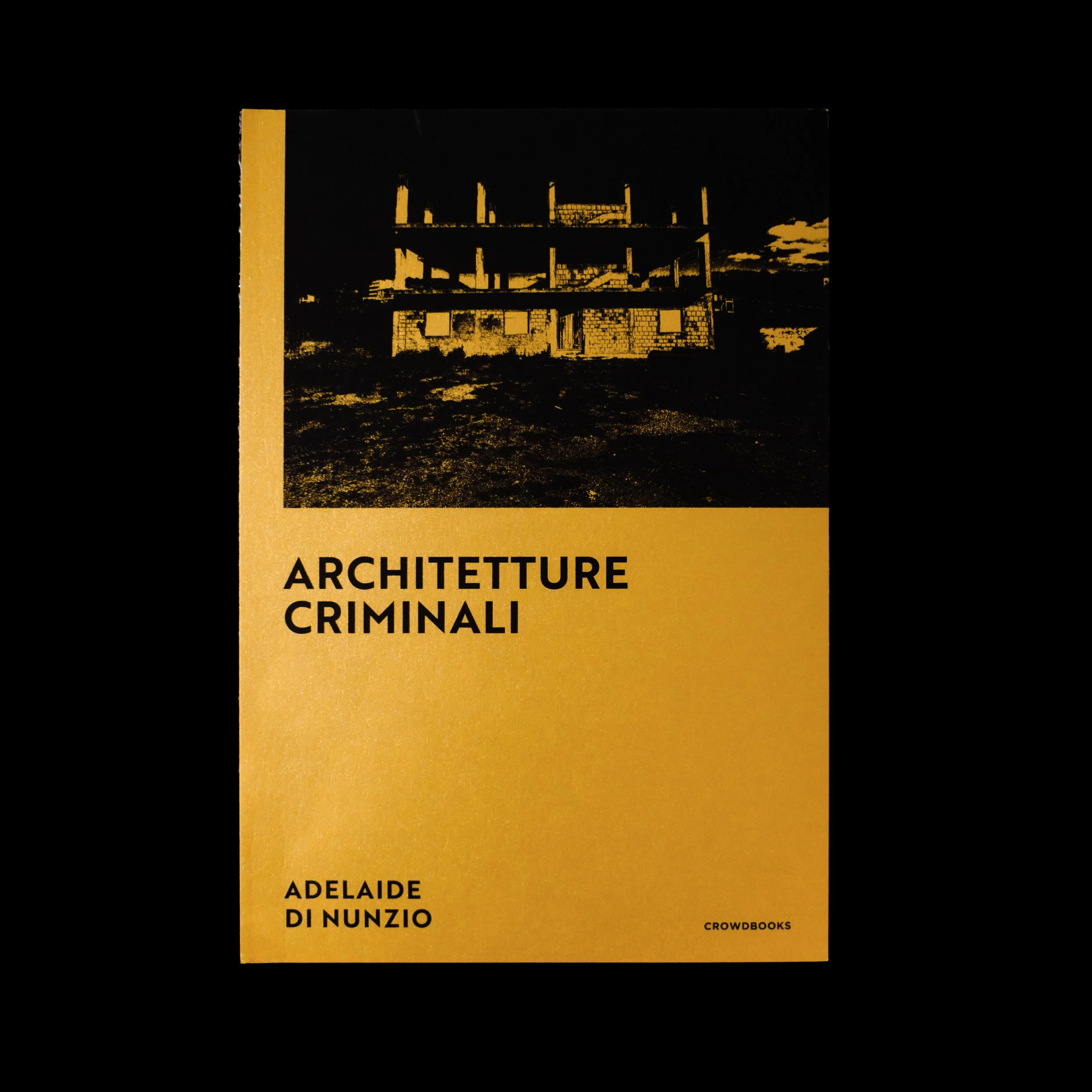
*Criminal Architecture* tells the story of how the mafia has influenced architecture, degraded the landscape, and altered people’s lives. Di Nunzio traveled to Campania, where he found villas and swimming pools on the terraces of houses that once belonged to the Camorra—and in the unfinished public and private buildings of Calabria. She visited Puglia, where businesses start up but shut down shortly thereafter. In Sicily, she searched for her confiscated properties. These photos tell the story of southern Italy—structures and faces that speak of abandonment and anger, anxiety and courage. Alongside the persistent tension between forgetting and remembering, the reportage focuses on what is never finished: apartment buildings, hotels, luxury restaurants, all half-built. They lie abandoned as skeletons of iron and concrete. Bare marble, desolate staircases, abandoned terraces with empty pools inhabited only by rotting water lilies are the new archaeological and architectural ruins of the Italian landscape. Adelaide Di Nunzio was born in Naples in 1978. She graduated from the Academy of Arts in Naples and moved to Milan to study photography and contemporary photographic design at the School of Photography.
Crowdbooks, 2020
128 pages
16.5 × 24 cm
ISBN 9788885608245
*Criminal Architecture* tells the story of how the mafia has influenced architecture, degraded the landscape, and altered people’s lives. Di Nunzio traveled to Campania, where he found villas and swimming pools on the terraces of houses that once belonged to the Camorra—and in the unfinished public and private buildings of Calabria. She visited Puglia, where businesses start up but shut down shortly thereafter. In Sicily, she searched for her confiscated properties. These photos tell the story of southern Italy—structures and faces that speak of abandonment and anger, anxiety and courage. Alongside the persistent tension between forgetting and remembering, the reportage focuses on what is never finished: apartment buildings, hotels, luxury restaurants, all half-built. They lie abandoned as skeletons of iron and concrete. Bare marble, desolate staircases, abandoned terraces with empty pools inhabited only by rotting water lilies are the new archaeological and architectural ruins of the Italian landscape. Adelaide Di Nunzio was born in Naples in 1978. She graduated from the Academy of Arts in Naples and moved to Milan to study photography and contemporary photographic design at the School of Photography.
Crowdbooks, 2020
128 pages
16.5 × 24 cm
ISBN 9788885608245