 Image 1 of 1
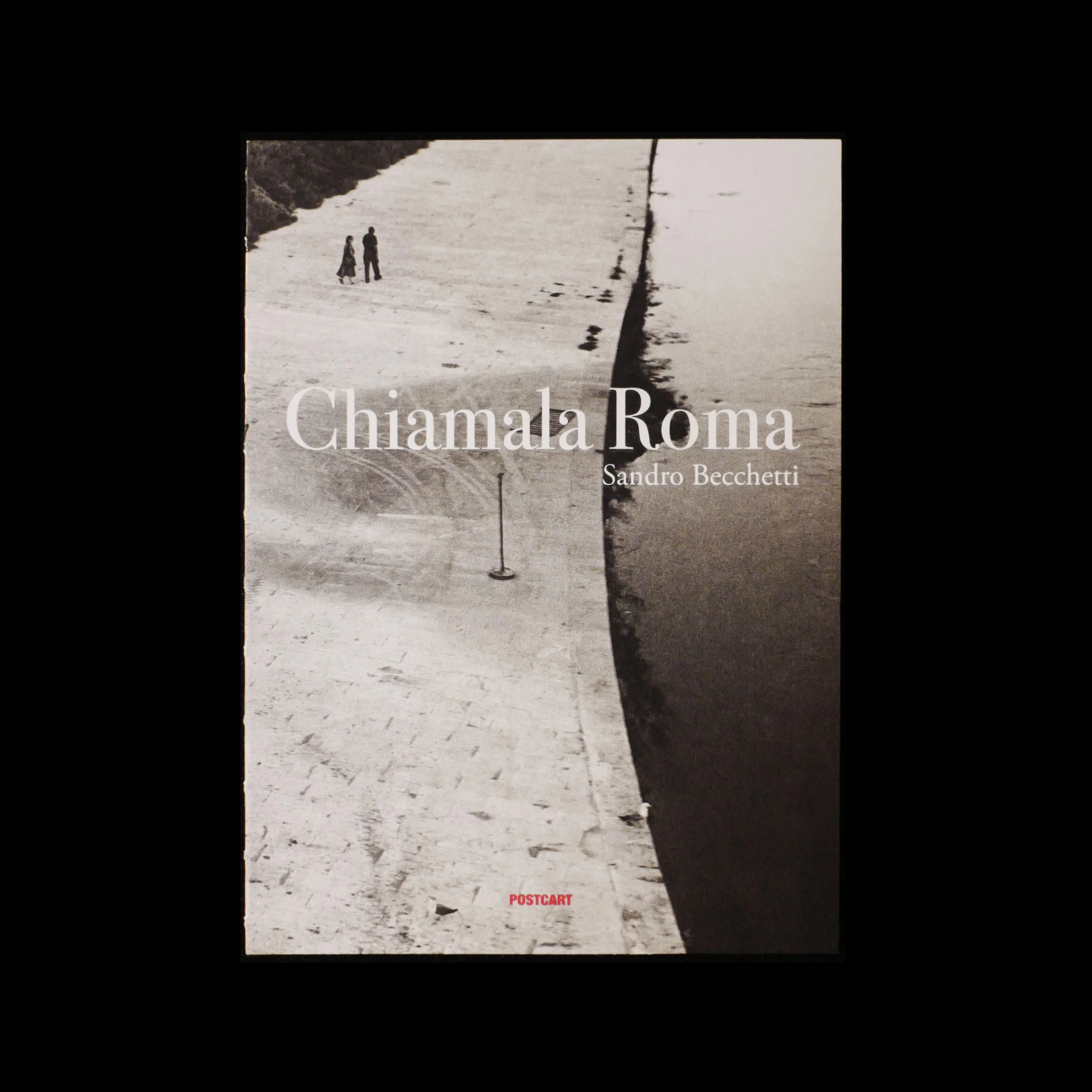
Becchetti’s view of the city, which suddenly takes on a new face, focuses on the details that make it unique—not only for its undeniable, age-old beauty: his personal and poetic vision of the places he describes, with irony and affection, encompasses everything from the transformations of the landscape to the faces of its inhabitants. The ordinary people who live there and the personalities who stay for short or long periods soak up the atmosphere, and these impressions become witnesses to the Roman spirit; they are captured on the city’s outskirts between new villages and ancient walls, or immortalized in the austere halls of ancient and historic buildings, or among the author’s paintings and the tapestries of bourgeois homes.
The photographs dedicated to the crucial years of student and, above all, workers’ struggles are never festive or obvious; Becchetti creates images that recount the protests of the youngest through an attentive, often critical gaze, taking the side of the working and peasant classes with empathy.
Numerous and unforgettable are the portraits of international figures from the worlds of culture, politics, and entertainment created by Sandro Becchetti for the newspaper Il Messaggero and commissioned to “accompany” the paper’s historic third page. The portraits intended to support articles or interviews turn out to be small narrative masterpieces that stand on their own and remain a fundamental testament to Becchetti’s work. Among these, the intense reportage on Pier Paolo Pasolini, shot at his Roman home in the EUR district, stands out.
Other places, other faces, other stories take Sandro Becchetti out of the city of Rome. The final images in the volume depict aspects of rural life in the Roman and Umbrian countryside, or scenes shot in Italian and foreign cities. The narrative is at times an anthropological exploration of the territories, and at other times his lens focuses on visions of metaphysical and Fellini-esque scenarios.
Edited by Silvana Bonfili with Valentina Gregori; texts by Sandro Becchetti, Silvana Bonfili, Ascanio Celestini, Francesco De Gregori, and Valentina Gregori; black-and-white photographs
Postcart, 2021
16.5 × 22.5 cm
234 pages
ISBN
Becchetti’s view of the city, which suddenly takes on a new face, focuses on the details that make it unique—not only for its undeniable, age-old beauty: his personal and poetic vision of the places he describes, with irony and affection, encompasses everything from the transformations of the landscape to the faces of its inhabitants. The ordinary people who live there and the personalities who stay for short or long periods soak up the atmosphere, and these impressions become witnesses to the Roman spirit; they are captured on the city’s outskirts between new villages and ancient walls, or immortalized in the austere halls of ancient and historic buildings, or among the author’s paintings and the tapestries of bourgeois homes.
The photographs dedicated to the crucial years of student and, above all, workers’ struggles are never festive or obvious; Becchetti creates images that recount the protests of the youngest through an attentive, often critical gaze, taking the side of the working and peasant classes with empathy.
Numerous and unforgettable are the portraits of international figures from the worlds of culture, politics, and entertainment created by Sandro Becchetti for the newspaper Il Messaggero and commissioned to “accompany” the paper’s historic third page. The portraits intended to support articles or interviews turn out to be small narrative masterpieces that stand on their own and remain a fundamental testament to Becchetti’s work. Among these, the intense reportage on Pier Paolo Pasolini, shot at his Roman home in the EUR district, stands out.
Other places, other faces, other stories take Sandro Becchetti out of the city of Rome. The final images in the volume depict aspects of rural life in the Roman and Umbrian countryside, or scenes shot in Italian and foreign cities. The narrative is at times an anthropological exploration of the territories, and at other times his lens focuses on visions of metaphysical and Fellini-esque scenarios.
Edited by Silvana Bonfili with Valentina Gregori; texts by Sandro Becchetti, Silvana Bonfili, Ascanio Celestini, Francesco De Gregori, and Valentina Gregori; black-and-white photographs
Postcart, 2021
16.5 × 22.5 cm
234 pages
ISBN