 Image 1 of 1
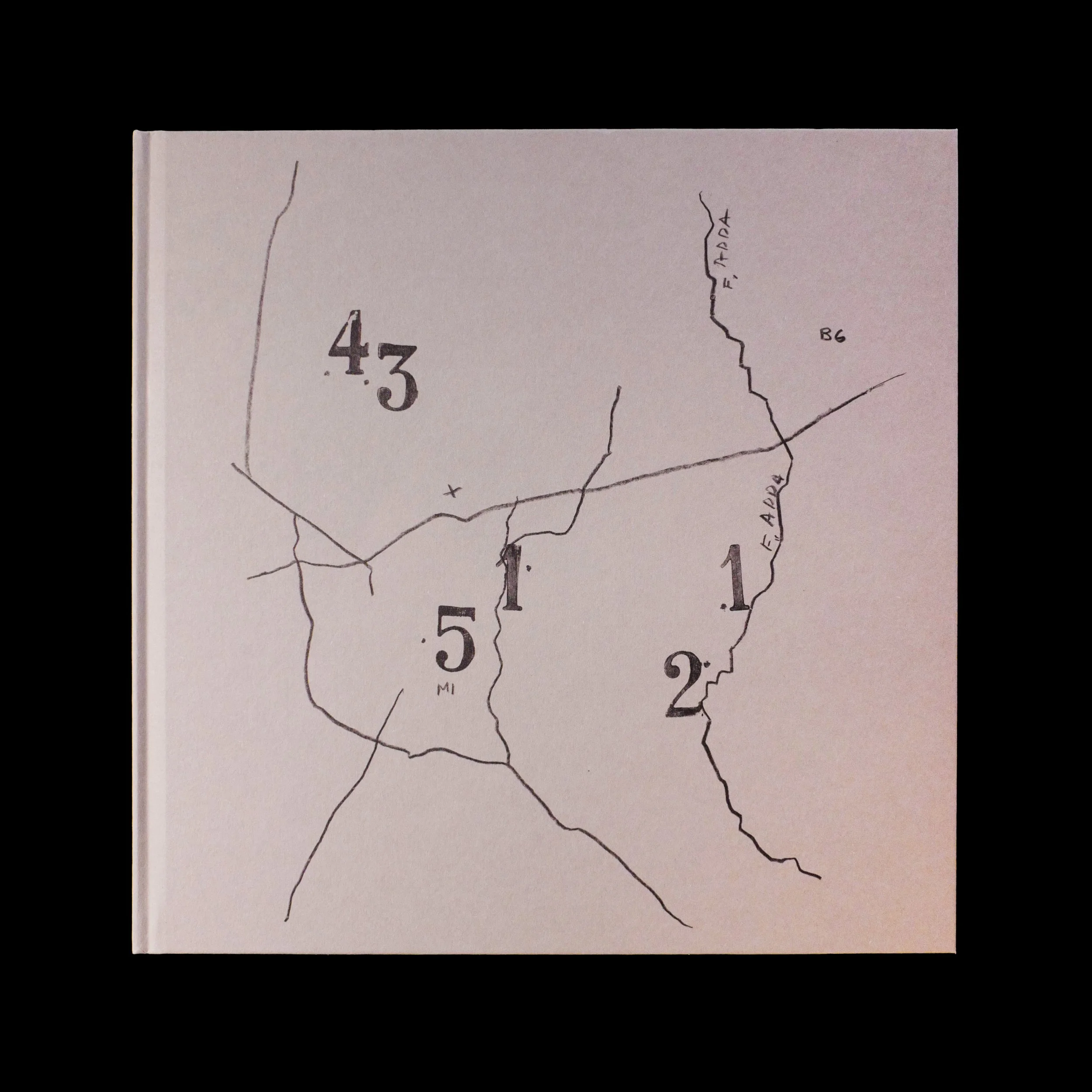
Between 1990 and 1998, Guido Guidi made five separate trips to Milan and its surrounding areas. *Cinque viaggi* brings together the photographs taken during these trips, forming an exploration of a city and its outskirts undergoing rapid economic and social change. As Guidi follows the canal from the suburbs toward downtown, his focus and visual language shift from the vernacular to the metropolitan, from broader horizontal views to vertical “cuts” in the urban fabric, from entire buildings and scenes to glimpses of facades. And the doors. Along the way, we also encounter residents: a group of young men gathered in a Pasolini-esque scene on a bridge on the city’s outskirts; occasional passersby working, shopping, or stopping to smoke in the city streets; disconnected couples and disparate individuals whose tenuous sense of belonging is consistent with urban sprawl.
While previous books, such as *Per Strada* (2018) and *Tra l’altro* (2020), demonstrated Guidi’s fascination with the rural landscapes and small towns of his native region, *Cinque viaggi* turns its attention to metropolitan Italy, documenting the dramatic socioeconomic changes that transformed it during the 19th and 20th centuries. The remnants of rural civilization and the traces of urban expansion are among the first signs of deindustrialization. These 110 large-format works, many of which have never been seen before, reveal the layers of social and architectural history against which daily life unfolds. Cinque viaggi offers a strikingly subtle portrait of Italy’s recent past and reflections on its future.
With essays by Corrado Benigni, Antonello Frongia, and Roberta Valtorta.
MACK Books, 2021
152 pages
30×30 cm
ISBN 9781913620325
Between 1990 and 1998, Guido Guidi made five separate trips to Milan and its surrounding areas. *Cinque viaggi* brings together the photographs taken during these trips, forming an exploration of a city and its outskirts undergoing rapid economic and social change. As Guidi follows the canal from the suburbs toward downtown, his focus and visual language shift from the vernacular to the metropolitan, from broader horizontal views to vertical “cuts” in the urban fabric, from entire buildings and scenes to glimpses of facades. And the doors. Along the way, we also encounter residents: a group of young men gathered in a Pasolini-esque scene on a bridge on the city’s outskirts; occasional passersby working, shopping, or stopping to smoke in the city streets; disconnected couples and disparate individuals whose tenuous sense of belonging is consistent with urban sprawl.
While previous books, such as *Per Strada* (2018) and *Tra l’altro* (2020), demonstrated Guidi’s fascination with the rural landscapes and small towns of his native region, *Cinque viaggi* turns its attention to metropolitan Italy, documenting the dramatic socioeconomic changes that transformed it during the 19th and 20th centuries. The remnants of rural civilization and the traces of urban expansion are among the first signs of deindustrialization. These 110 large-format works, many of which have never been seen before, reveal the layers of social and architectural history against which daily life unfolds. Cinque viaggi offers a strikingly subtle portrait of Italy’s recent past and reflections on its future.
With essays by Corrado Benigni, Antonello Frongia, and Roberta Valtorta.
MACK Books, 2021
152 pages
30×30 cm
ISBN 9781913620325