 Image 1 of 1
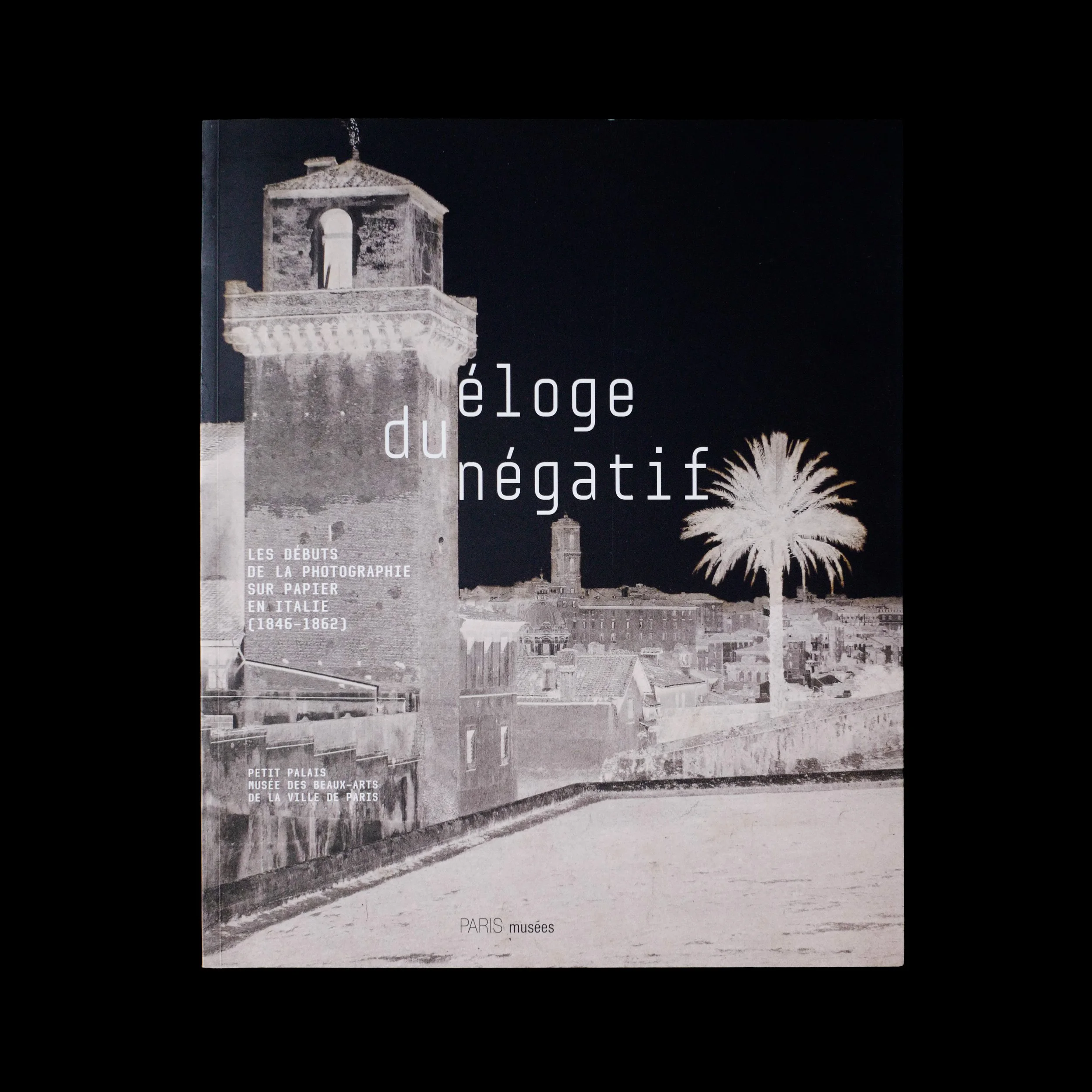
A precursor to modern photography, the calotype—developed in 1841 by William Henry Fox Talbot—allows for the production of multiple positive images from a single negative, created on paper. This technique requires the artist’s direct involvement in the various stages of preparation and constant oversight of the production process; far from giving the images a mechanical quality, this lends them an almost magical quality. Through the scope for interpretation it allows, and through the interplay of opacity and transparency in the papers—often waxed or oiled—the calotype offers an ethereal, almost painterly rendering—capable, according to texts of the time, of reproducing “the roughness, the irregularities, and the immense variety of tones in nature.” In mid-19th-century Italy, a country of the Grand Tour open to exchange and experimentation, artists and photographers adapted the techniques of the paper negative to the region’s unique light, thereby founding a distinct aesthetic movement. In this digital age, this “praise of the negative” offers a quasi-archaeological perspective and essential reference points for understanding these incunabula of early photography in Italy.
Paris Museums, 2010
254 pages
24.1 × 29 cm
ISBN 9782759601165
A precursor to modern photography, the calotype—developed in 1841 by William Henry Fox Talbot—allows for the production of multiple positive images from a single negative, created on paper. This technique requires the artist’s direct involvement in the various stages of preparation and constant oversight of the production process; far from giving the images a mechanical quality, this lends them an almost magical quality. Through the scope for interpretation it allows, and through the interplay of opacity and transparency in the papers—often waxed or oiled—the calotype offers an ethereal, almost painterly rendering—capable, according to texts of the time, of reproducing “the roughness, the irregularities, and the immense variety of tones in nature.” In mid-19th-century Italy, a country of the Grand Tour open to exchange and experimentation, artists and photographers adapted the techniques of the paper negative to the region’s unique light, thereby founding a distinct aesthetic movement. In this digital age, this “praise of the negative” offers a quasi-archaeological perspective and essential reference points for understanding these incunabula of early photography in Italy.
Paris Museums, 2010
254 pages
24.1 × 29 cm
ISBN 9782759601165