 Image 1 of 1
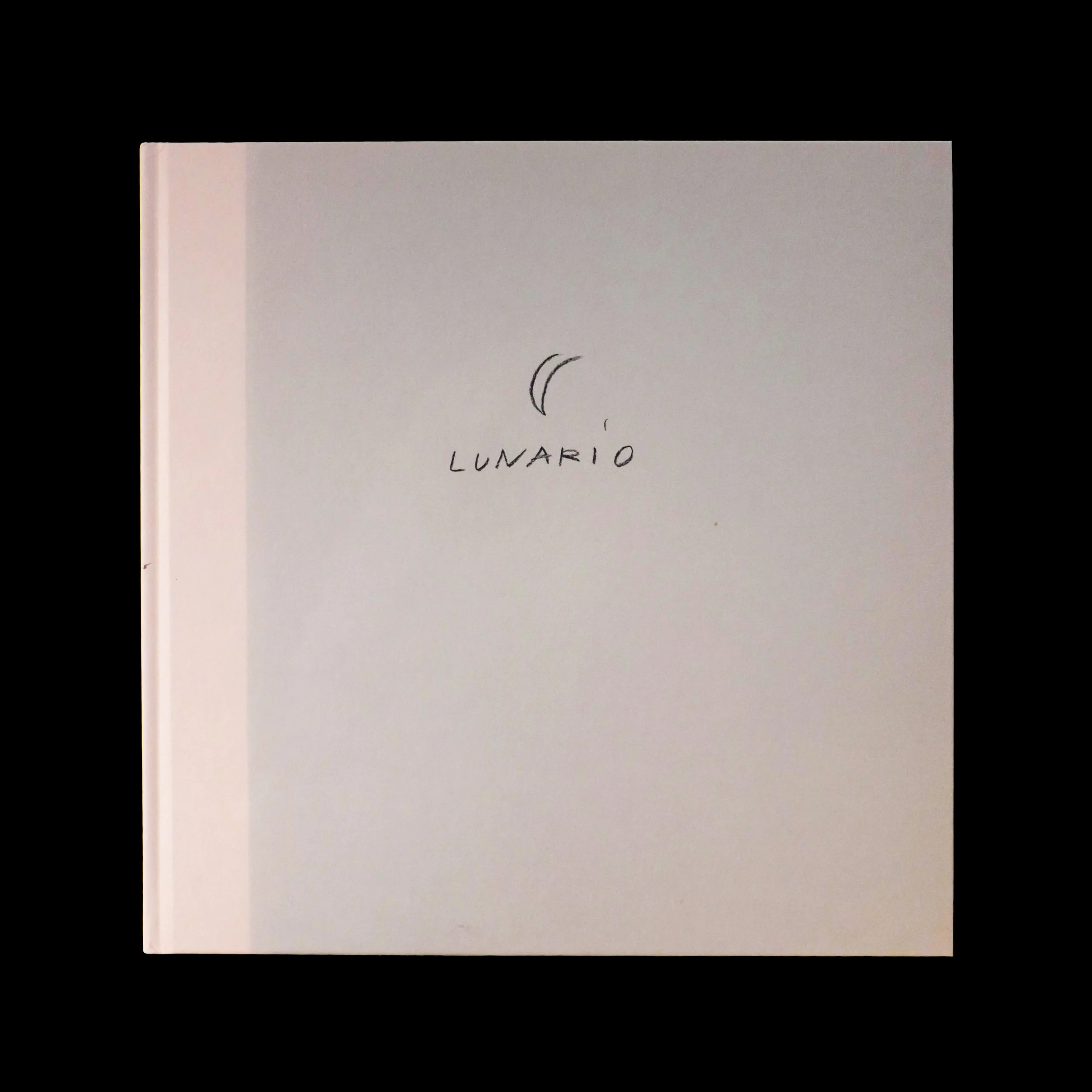
Guido Guidi’s *Lunario* takes its name from a traditional agricultural almanac that compiles various tasks related to the moon. Distortion, experimentation, and illusion permeate his early works from the late 1960s and early 1970s, further explored through the introduction of a fisheye lens. The physical form of the moon resonates throughout his body of work: in a woman’s face, in a child’s balloon caught between shadow and light. Guidi’s arid lunar landscapes gave way, in the 1980s, to color photographs, culminating in the spectacular partial solar eclipse of August 11, 1999.
Throughout *Lunario*, Guido Guidi returns to the moon as a source of stylistic and thematic inspiration: a symbol of melancholy and madness, of change, and a constant reminder of the fleeting nature of everyday life.
Signed
MACK Books, 2020
120 pages
30 × 30 cm
ISBN
Guido Guidi’s *Lunario* takes its name from a traditional agricultural almanac that compiles various tasks related to the moon. Distortion, experimentation, and illusion permeate his early works from the late 1960s and early 1970s, further explored through the introduction of a fisheye lens. The physical form of the moon resonates throughout his body of work: in a woman’s face, in a child’s balloon caught between shadow and light. Guidi’s arid lunar landscapes gave way, in the 1980s, to color photographs, culminating in the spectacular partial solar eclipse of August 11, 1999.
Throughout *Lunario*, Guido Guidi returns to the moon as a source of stylistic and thematic inspiration: a symbol of melancholy and madness, of change, and a constant reminder of the fleeting nature of everyday life.
Signed
MACK Books, 2020
120 pages
30 × 30 cm
ISBN